A lifetime of research,
held in one archive.
The Palenque Chronicles traces the rediscovery, exploration and historical study of the ancient Maya city across four centuries.
The Beginning
Mexico, 1972. A first encounter with Palenque became the defining subject of a lifetime.
The city’s setting—where the forested highlands of Chiapas descend toward the plain—made an immediate and lasting impression. Its architecture, watercourses and surviving inscriptions revealed a place whose history could not be understood through monuments alone.
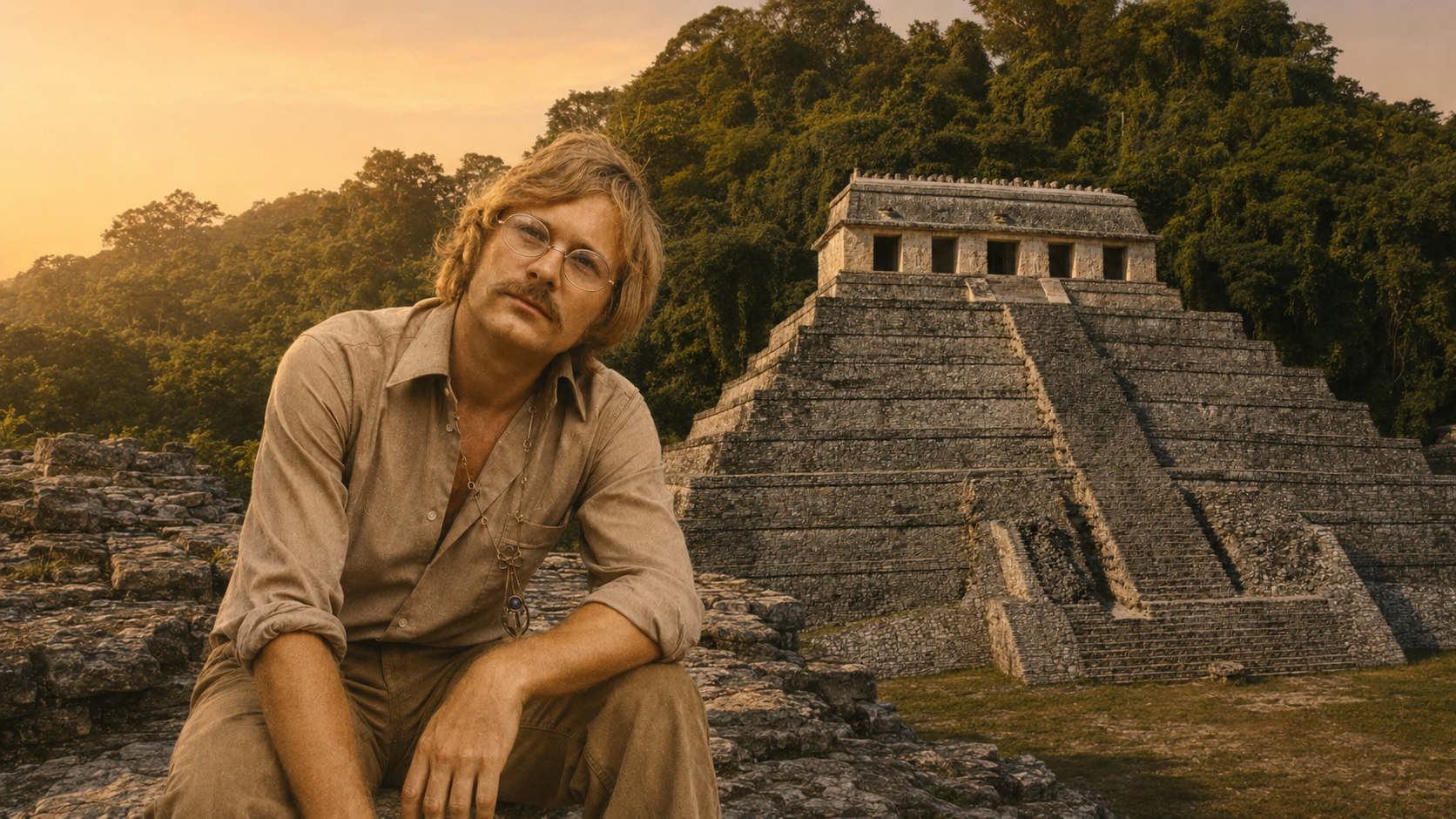 Rolf Becker 1972 Palenque (AI Supported)
The Method
Sources are placed in sequence before they are interpreted.
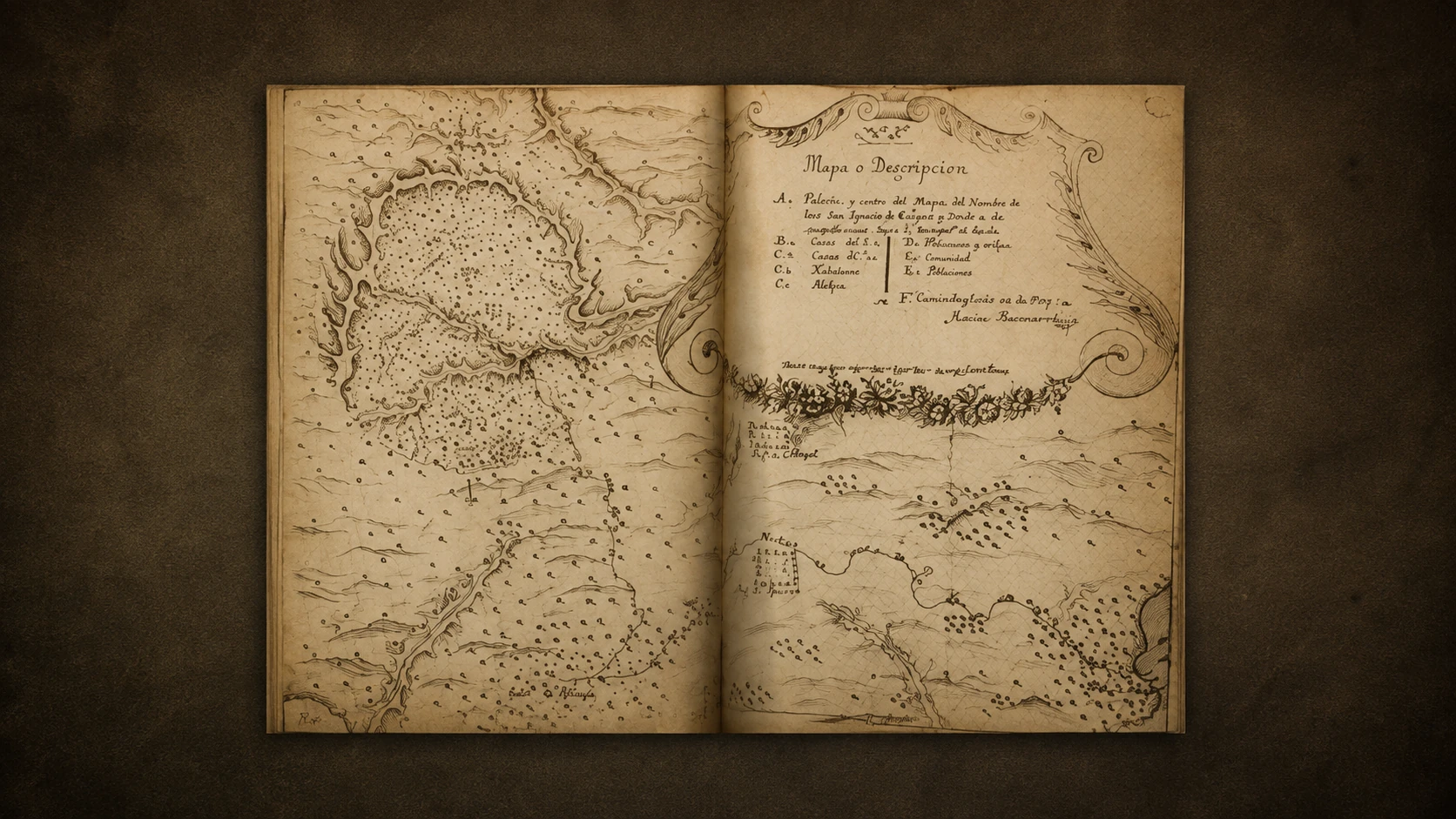
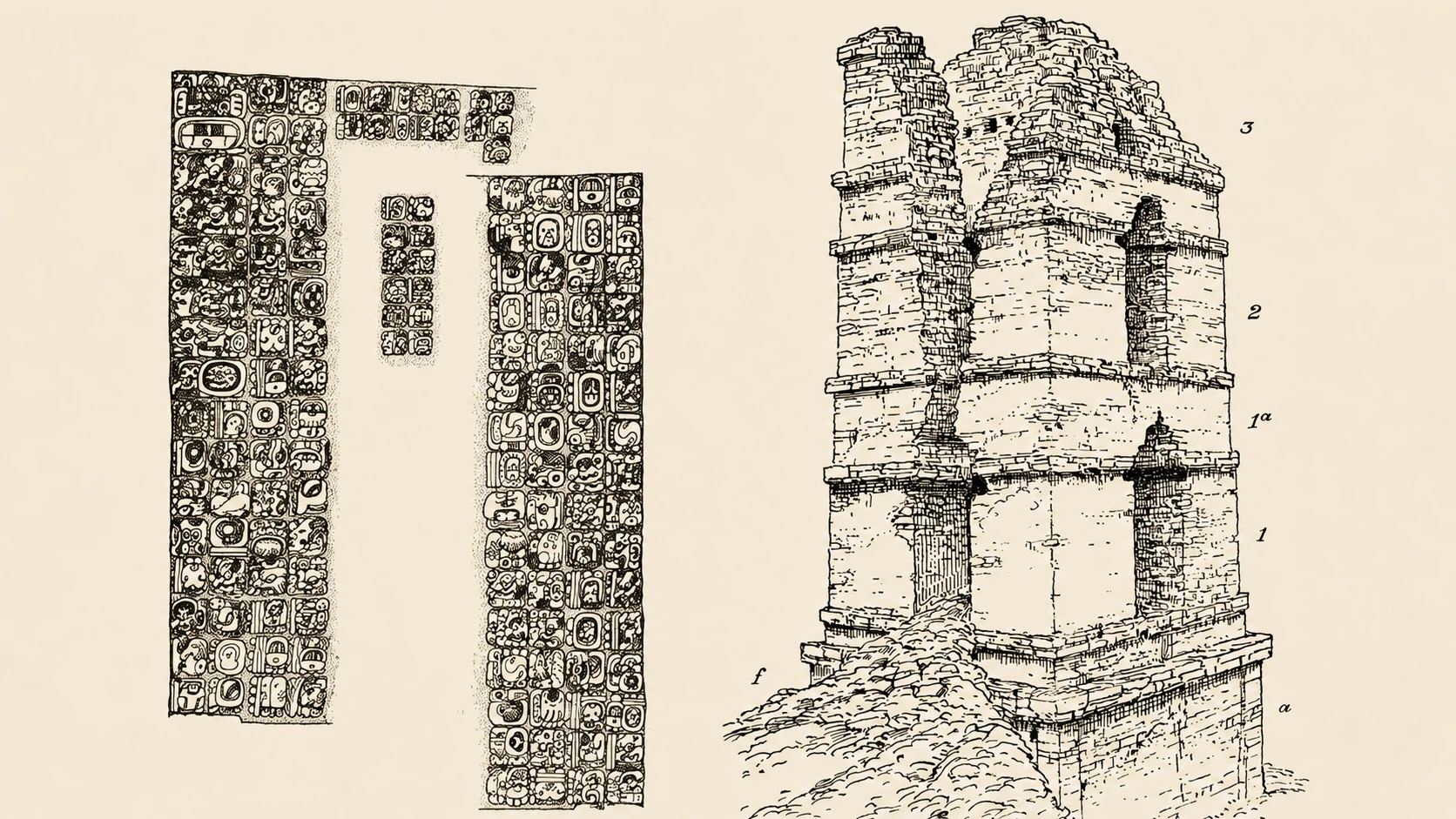
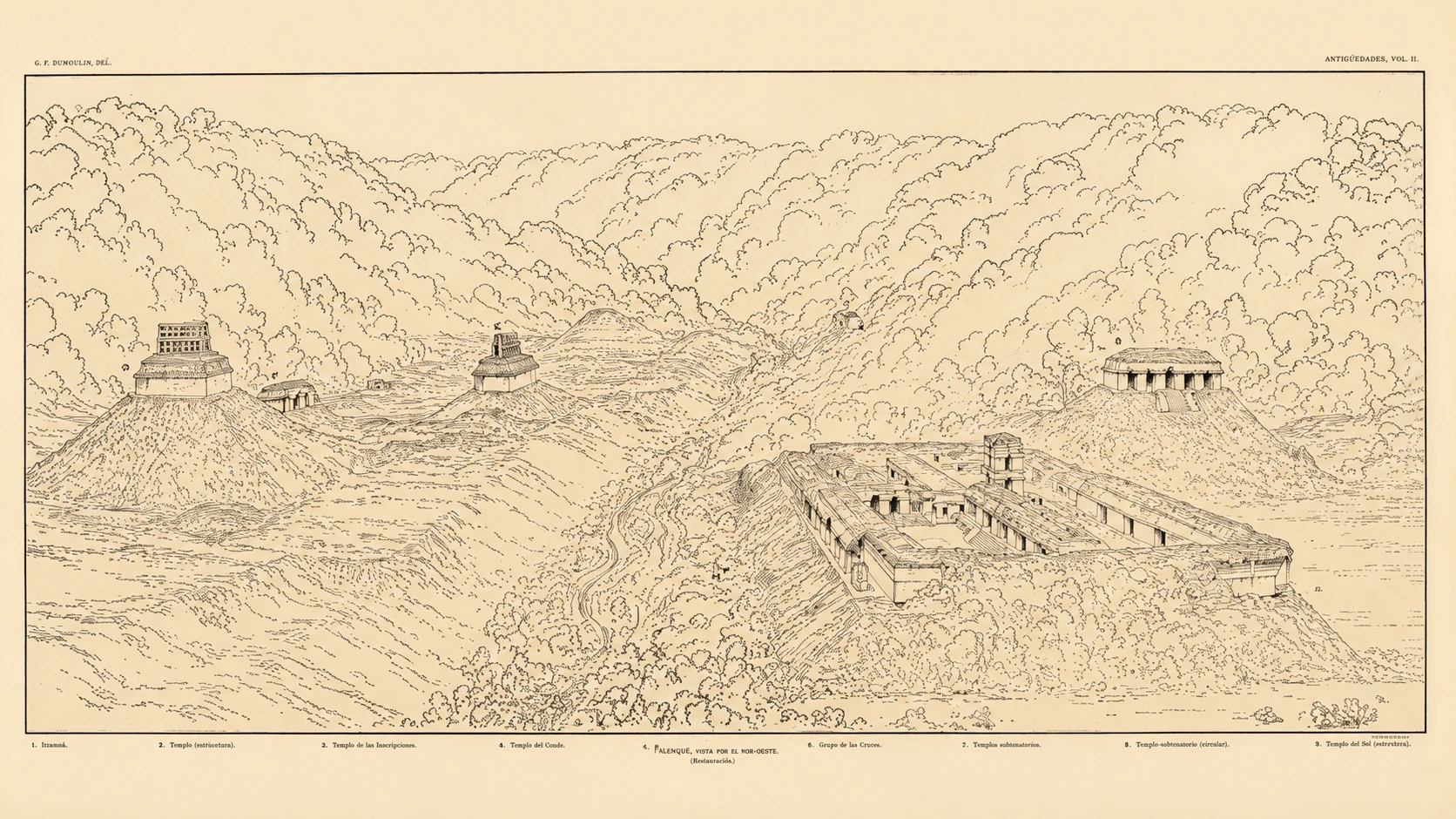
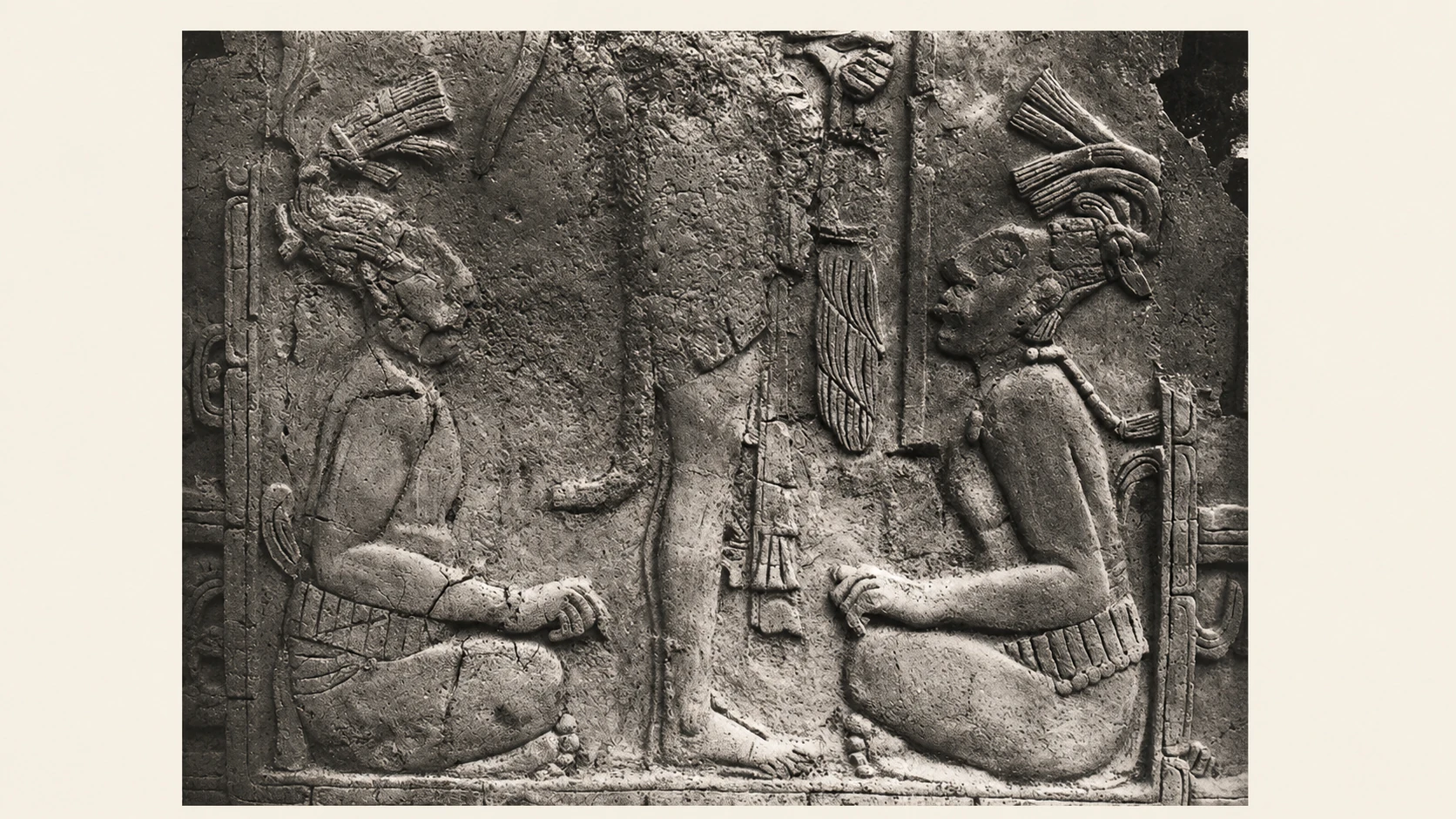
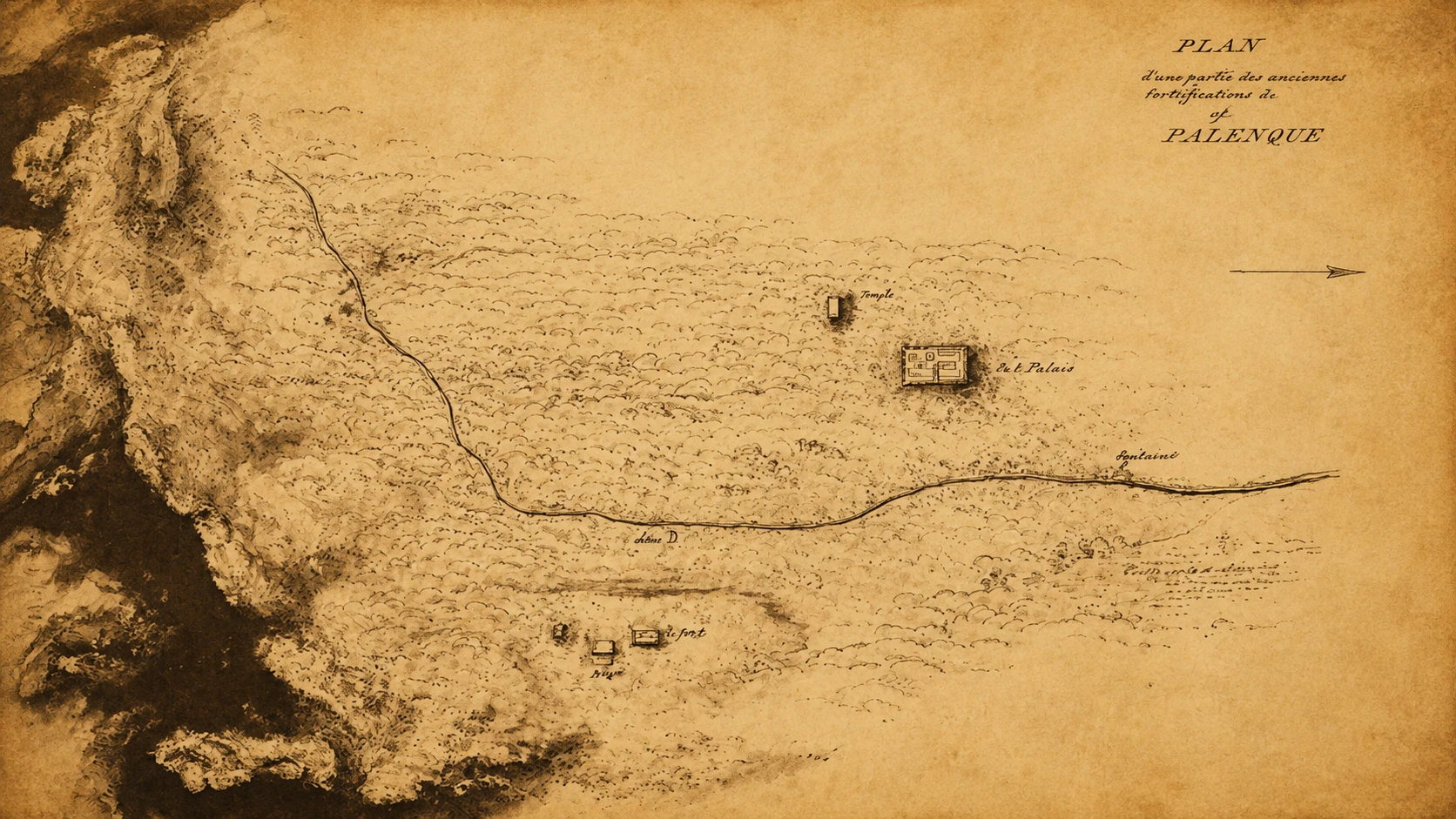
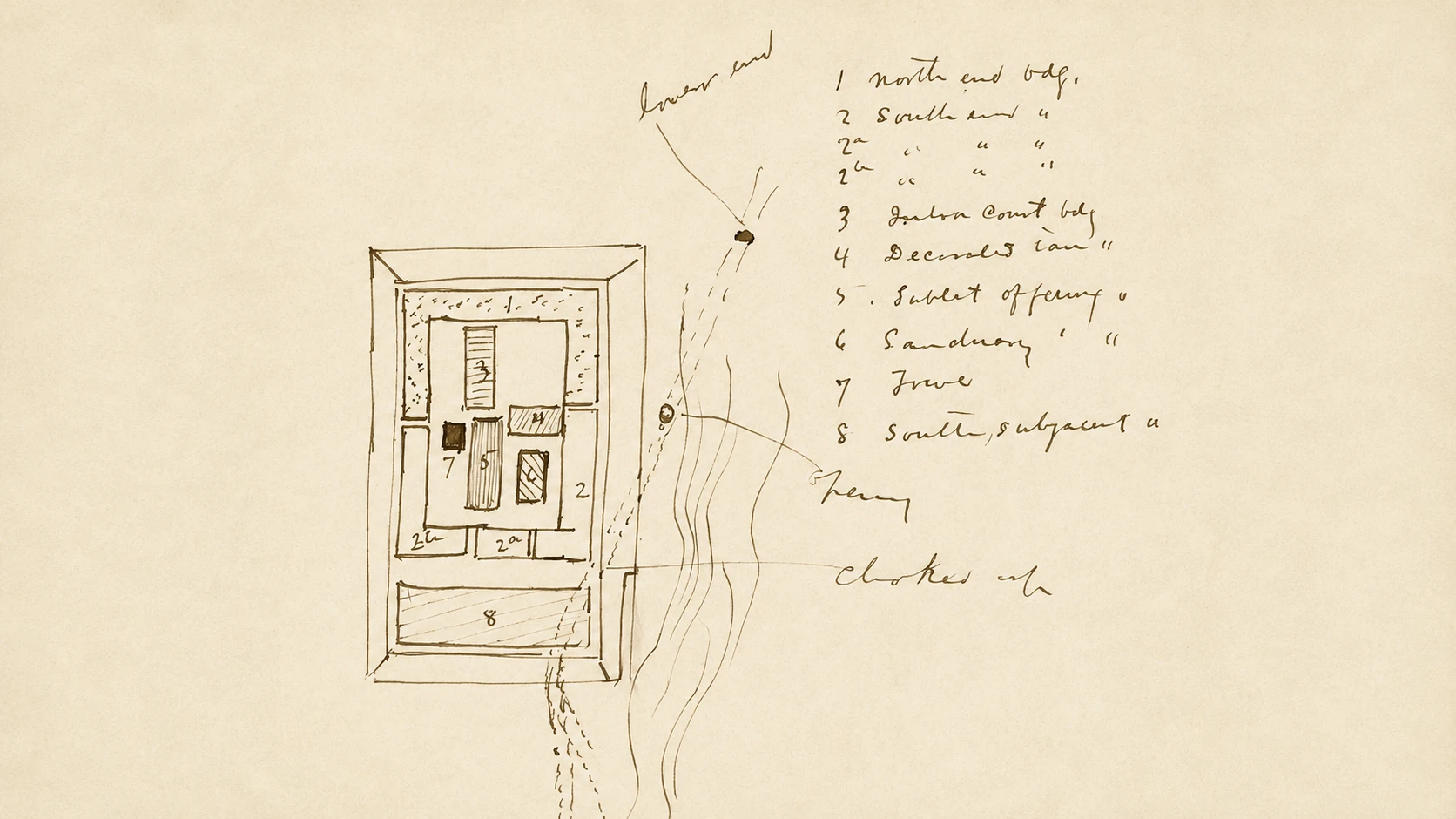
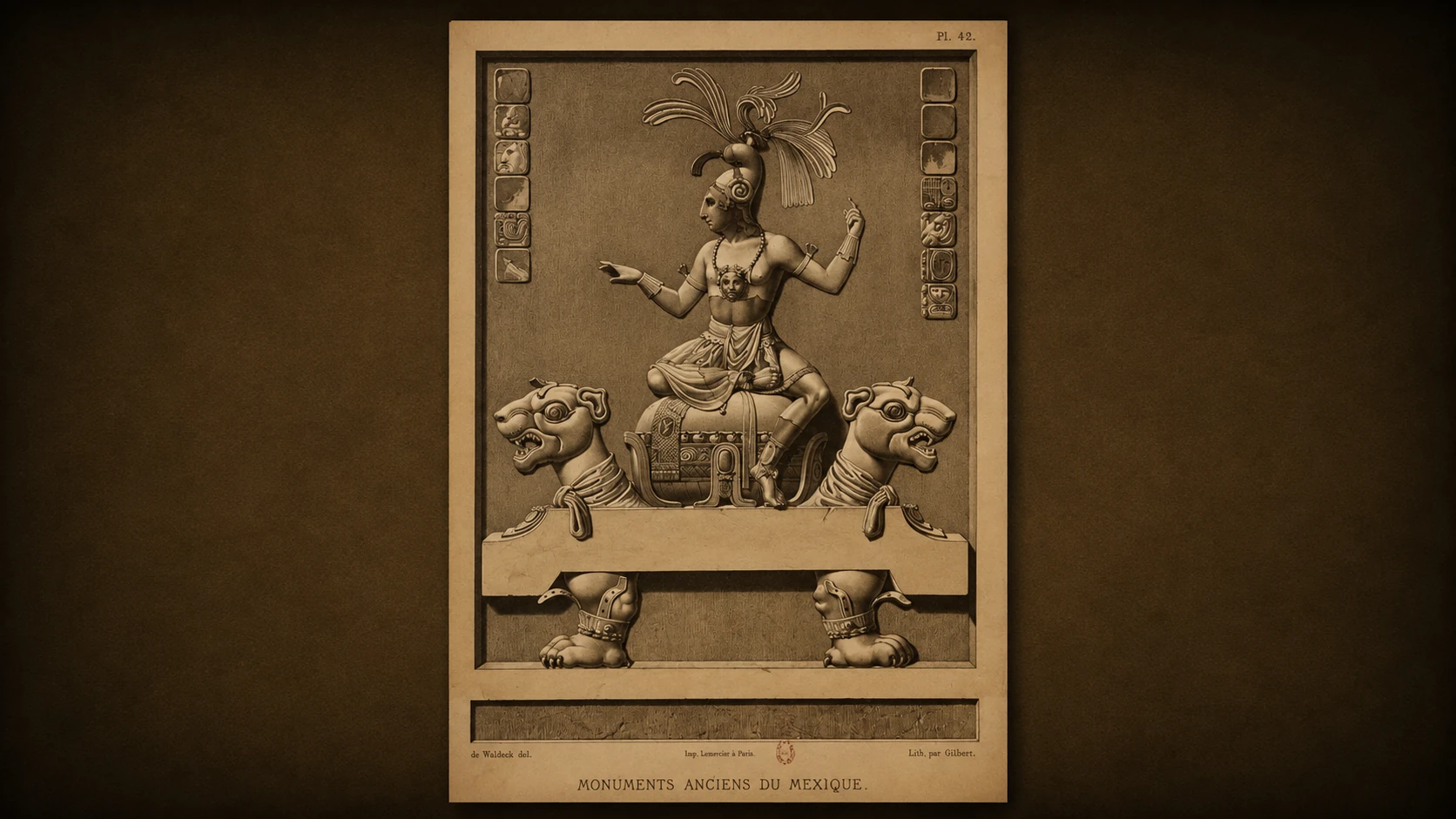
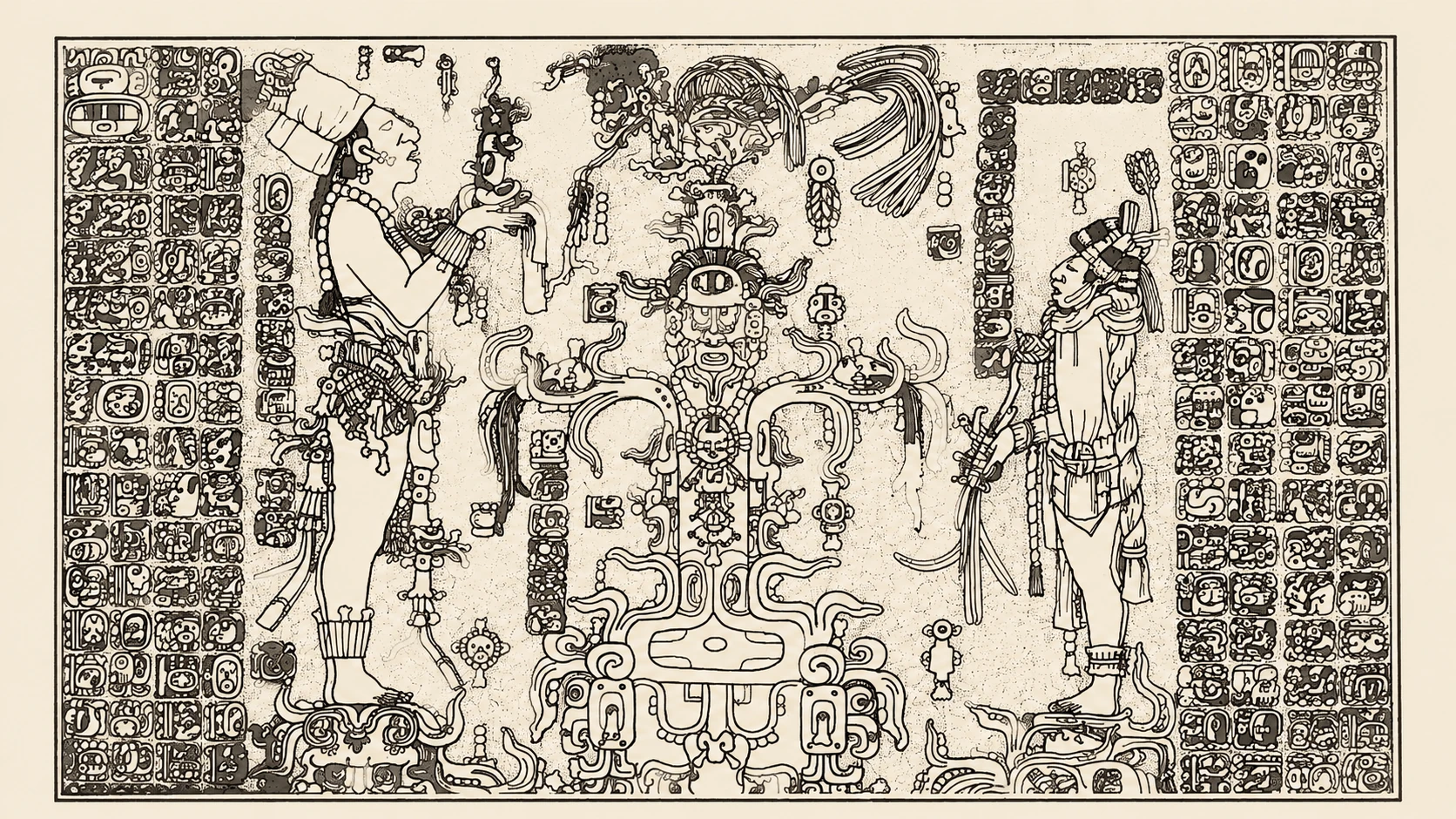
Reports, letters, drawings, maps and photographs in Spanish, French and English are translated and compared with one another. Later publications are read alongside the earliest surviving accounts, revealing how knowledge was copied, corrected, disputed and expanded.
- Chronological reconstruction
- Translation of primary sources
- Comparison of plans, drawings and photographs
- Assessment against the surviving site
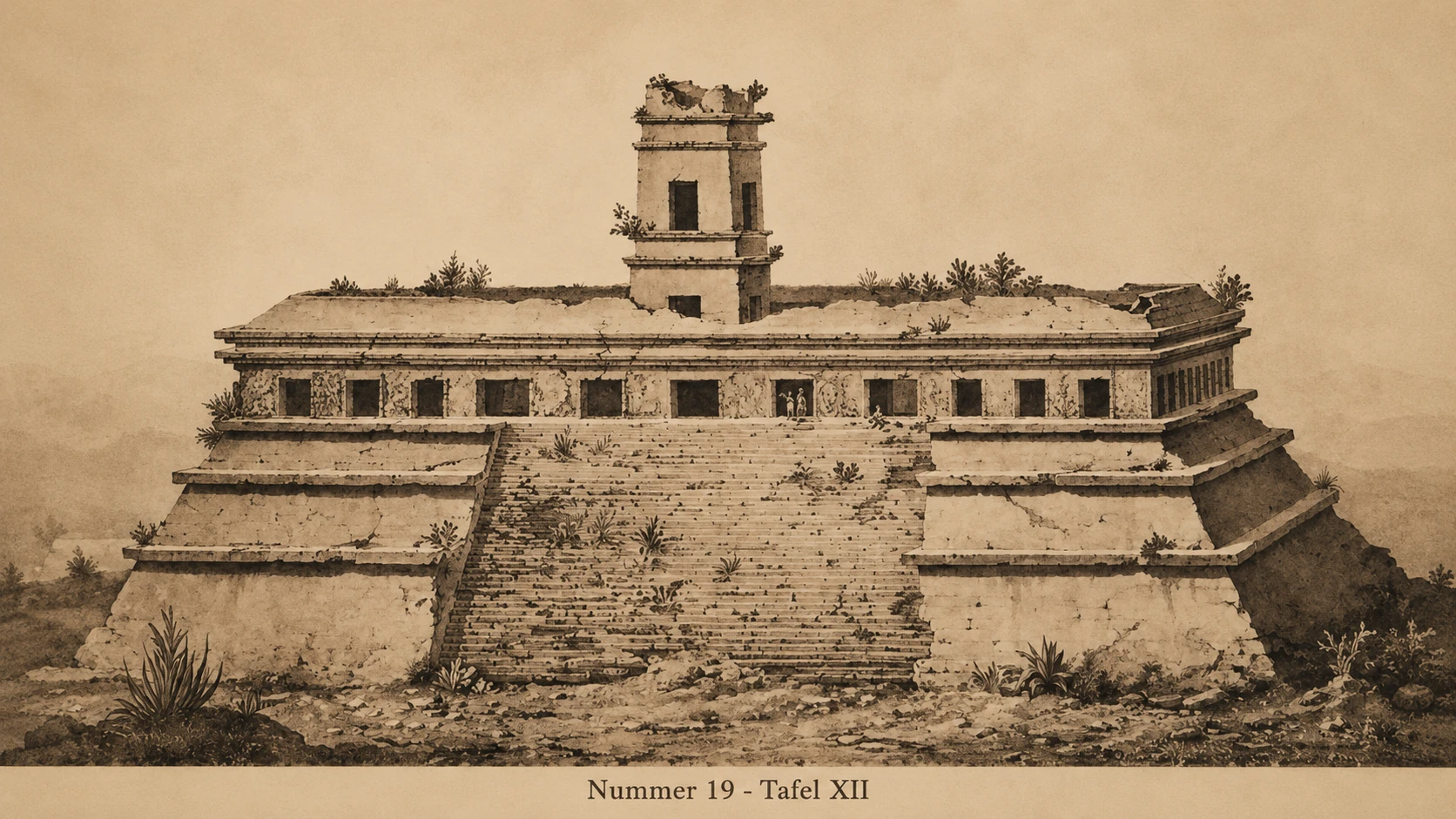
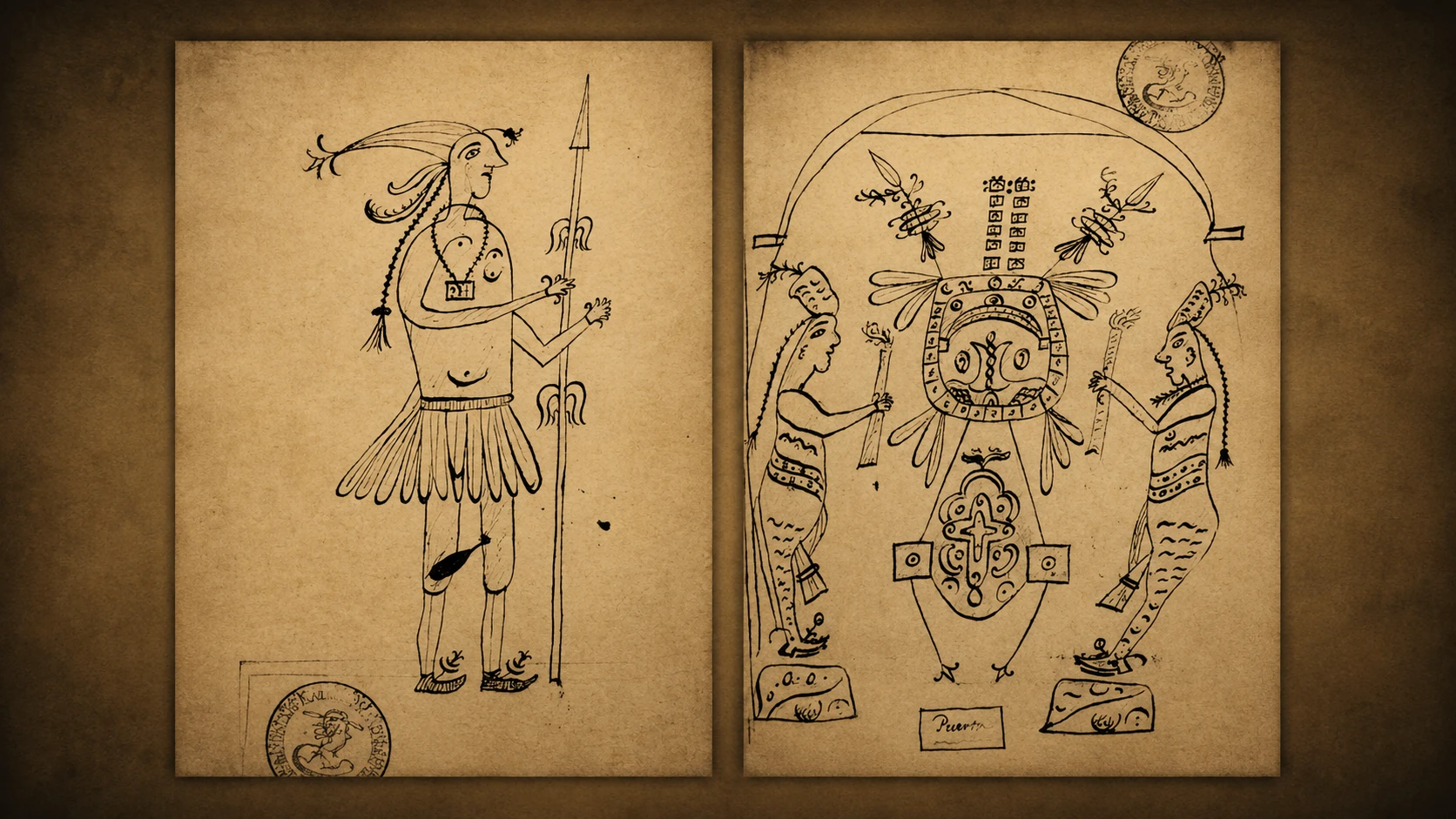
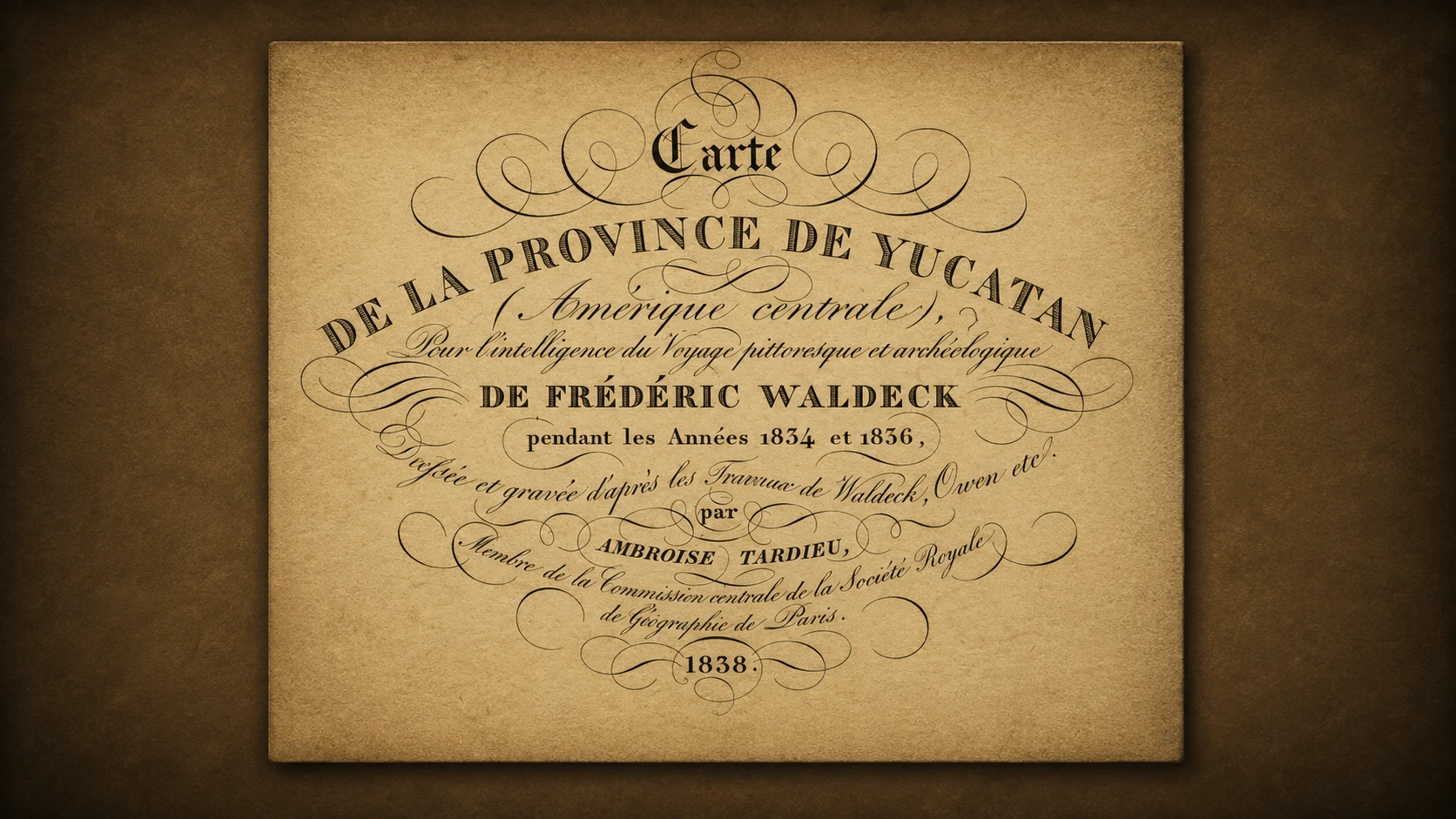
From missionary reports
to modern archaeology.
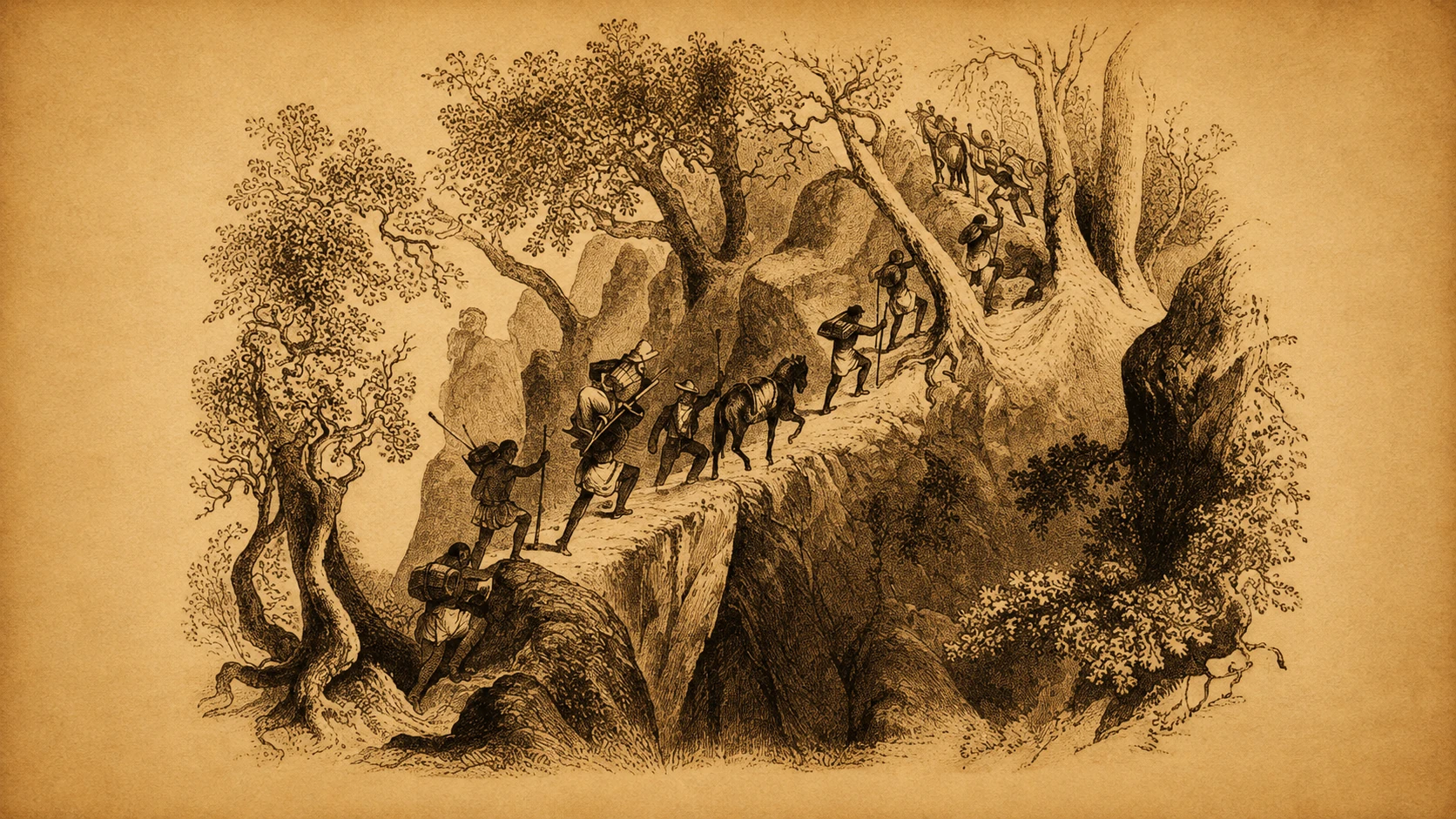
Across fifteen volumes, the project follows the changing record of Palenque from the sixteenth century through the first half of the twentieth century. The result is not a conventional history of one excavation, but a history of how the site was encountered, drawn, described, photographed and understood.
To document a place is to preserve not only what remains,
but also the long history of how it came to be known.